Unattended Death Cleanup
When a death remains undiscovered for days, cleanup addresses decomposition and controls odors.
See unattended death cleanupGet decomposition fluids, affected flooring, furnishings and odor treated with care in Lake Bosworth. Source removal comes first because air treatment alone cannot correct absorbed contamination.
Decomposition cleanup is a careful process after a death that removes fluids, porous materials and residue. It continues with disinfection and cleaning, followed by treatment for any odor left behind.
This work may be needed after an unattended death, or whenever the time before discovery allowed fluids to reach flooring, furniture or the structure below. Police, emergency personnel and the medical examiner or coroner complete their duties first. Cleanup can begin only after the property is released to you or the person responsible for it.
In practice, decomposition cleanup involves work beyond a stain on the surface. A fluid path can extend beneath baseboards, into subfloor, along seams of sheet flooring and through carpet or its pad. Careful assessment maps that reach. Cleanable materials are kept whenever possible. Items that cannot be fully treated must be taken out, securely sealed and managed according to the waste rules that apply.
Photos and waste records, together with an itemized scope, give insurance companies useful detail. They tell restoration services what was left behind and help you move forward.
Cleanup crews explain which materials can stay, which need removal and why each step belongs in the scope before work begins.
Calls are answered day and night, and crews arrive in unmarked vehicles to protect your privacy during a sensitive time.
The crew separates papers, keepsakes and photos from loved ones for your decisions if their condition permits safe handling.
Decomposition cleaning services are needed when fluids or odor remain after a death and ordinary household cleaning cannot reach all affected materials. Every situation is different, but common needs include:
Flooring openings can carry fluid beneath wood, laminate, vinyl or tile and into glue or subflooring.
Fluids may have reached a shared wall, floor assembly or unit below, so the affected boundary needs careful inspection.
In every situation, cleanup waits until the emergency response is over and officials have completed their work. If discovery takes time, fluid can travel into the bed, floor or furniture close by.
If odor continues in an empty room, the source may remain concealed under a floor, beyond trim or elsewhere.
Protect yourself, surrounding areas and clear records before anyone disturbs the affected room. These first steps also make the assessment easier:
Call (888) 440-9227Decomposition cleanup has no published range of its own, so unattended death cleanup serves as the reference. It lists $1,500 to $5,000 when discovery is early, then $8,000 to $18,000 at one to two weeks, then $15,000 to $35,000 once three weeks or more have passed. These are comparison figures. Your price follows what the assessment finds.
These ranges come from published national cost guides, not from a site visit. An on-site assessment determines your property's price, which is explained to you before the cleanup starts.
Ask about cost: (888) 440-9227Decomposition cleanup may qualify for coverage under renters, commercial property or homeowners insurance if the death is a covered loss. The insurance company decides by applying the policy terms, deductible and circumstances.
Use the insurer's claims number when you learn about the loss. Ask the insurer whether separate policy sections cover cleanup, building damage, personal property and later restoration.
Homeowners or renters insurance, the estate or the property owner usually pays for this kind of cleanup. The Washington crime victim compensation program helps only when a crime caused the loss.
For rentals, property owners often organize the work, while circumstances and insurance terms establish responsibility for the final cost.
Before taking out damaged material, ask the adjuster what is required if the area can safely wait. The claim decision may be supported by photographs, detailed work scope and waste documentation.
The entire process uses a controlled order to locate hidden impact before cleaning and odor work start. Cleanup technicians consider privacy and your personal belongings at every step.
The room is examined along with surrounding areas and any lower space. Defining the cleanup area requires checking floor type, furniture, wall edges and moving air.
The affected work area is contained away from clean rooms. Workers wear personal protective equipment and establish airflow control when site conditions require it.
Careful exposure of absorbent material follows residue collection and reveals the full extent and direction of impact.
Affected porous materials require removal when contamination is inaccessible for treatment, including carpet, pad, upholstery, unfinished wood, drywall and subfloor.
After hard surfaces are cleaned, an EPA-registered disinfectant stays on them for the label's complete contact time.
When the source is no longer present, remaining surfaces and room air receive treatment. Equipment is selected for the room and used under its operating directions.
Location-specific rules control how impacted waste is sealed in suitable containers, transported and disposed of.
The completed scope, photos and disposal records can be organized for you, the property owner, the insurer or a restoration contractor.
You can call anytime. Your decomposition cleanup specialist answers the phone, describes what happens next and works with you on a start time.
Do not enter or try to clean a space containing decomposition fluids. Contamination may be hidden, present serious health risks and make removal of some building materials necessary.
Do not treat contaminated materials as household trash. Contents and relevant rules decide whether hazardous materials procedures are needed for packaging and management.
You may care deeply about the person whose space was affected. Avoiding the physical cleanup may protect you from an experience that can be difficult to carry.
Blood and bodily fluids can carry pathogens. The CDC says hepatitis B can survive on surfaces for at least seven days, so dried residue still deserves careful treatment.
Can you clean it yourself? You cannot approach decomposition residue like a routine household spill. Keep the space shut and request professional assessment when a death leaves fluids, residue or lasting odor. Leave an affected mattress and carpet in place, and do not test the fluid depth with bare hands.
Decomposition cleanup may take one day for a limited, accessible area or several days when fluids reached flooring, walls, furniture or rooms below. The time cannot be set accurately until the full affected boundary is assessed.
| Scene | Typical time on site |
|---|---|
| Limited area on accessible materials | Often about one day after assessment |
| One affected room where porous items must be removed | Frequently takes one to three working days |
| Structural impact or multiple affected areas | Could take several days before restoration occurs later |
Effective decomposition odor removal begins by locating the source and taking it out. Surface sprays, paint and fragrance cannot resolve fluid absorbed into upholstered furniture, unfinished wood or the area under flooring. Odor that comes back after ventilation may point to another impacted material or travel path that requires attention.
Once contaminated material is gone, remaining surfaces are cleaned and disinfected. HEPA-filtered air equipment, controlled ventilation or other odor-treatment equipment may then be used for the specific space. HVAC returns, wall gaps and connected rooms may be checked when odor has traveled. Rebuilding starts only after cleanup and odor work are complete.
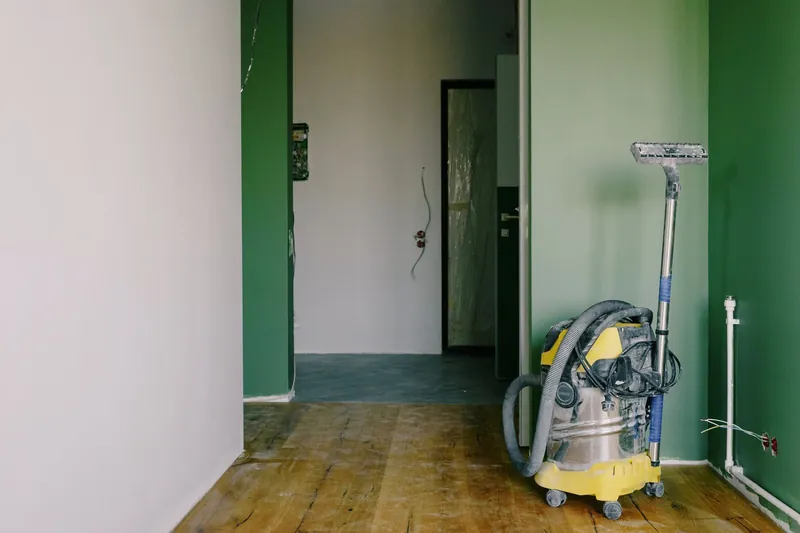
The OSHA Bloodborne Pathogens Standard, 29 CFR 1910.1030, requires exposure controls and protective equipment plus worker training and related practices.
The target organism and surface require a suitable EPA-registered disinfectant that stays wet for the label's entire contact period.
Washington's biomedical waste law covers human blood and blood products. The Utilities and Transportation Commission oversees companies that haul it, and local health departments set handling rules, so it should not go in household trash.
Washington has no single statewide office. Most counties use an elected coroner, while some larger counties use an appointed medical examiner or coroner. Cleanup starts after police or the medical examiner or coroner release the scene.
The full decomposition cleanup guide covers what is cleaned or removed, odor and air quality work, and the rules that apply in your state.
Read the full decomposition cleanup guide
Containment, entry and cleanup plans can be influenced by local housing, population and access details.
With renters in 3.3% of local homes, owner occupied properties form most of the housing context for cleanup planning.
Homes centered around a 1991 build year may have open layouts, which can allow odor to reach adjoining living areas.
About 26 older residents live alone in Lake Bosworth, equal to 7.6% of seniors and still relevant to welfare planning.
A single-family share of 91.7% makes private entrances useful for discreet equipment movement during a sensitive cleanup.
During your call, ask whether cleanup is available in surrounding communities and ZIP codes.
When a death remains undiscovered for days, cleanup addresses decomposition and controls odors.
See unattended death cleanup
Cleaning a home after someone dies, including fluids, odor and affected belongings.
See death cleanup
Cleanup after a death that was found quickly, with care for the family home.
See attended death cleanup
At the source, death odor removal uses air scrubbers plus hydroxyl and ozone treatment.
See death odor removal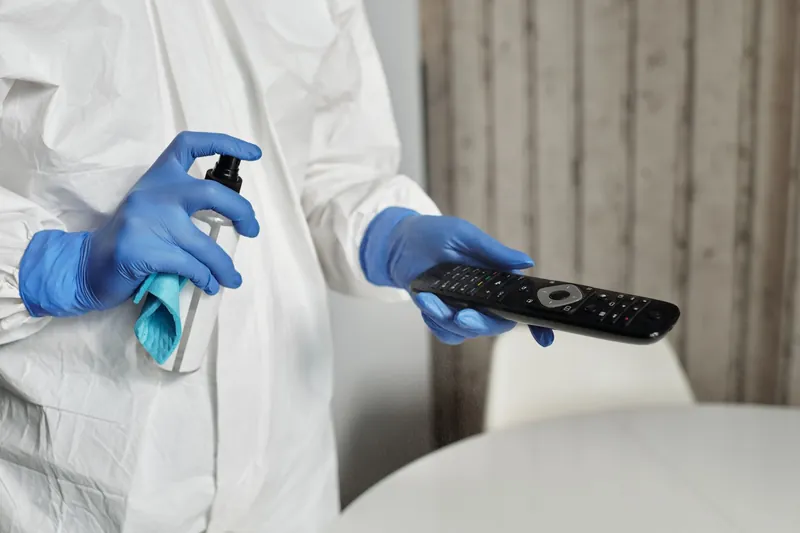
Biological remediation that removes contamination and returns a space to safe use.
See biohazard remediation
Forensic cleaning of blood also covers investigation residue, tissue and fingerprint powder.
See forensic cleaning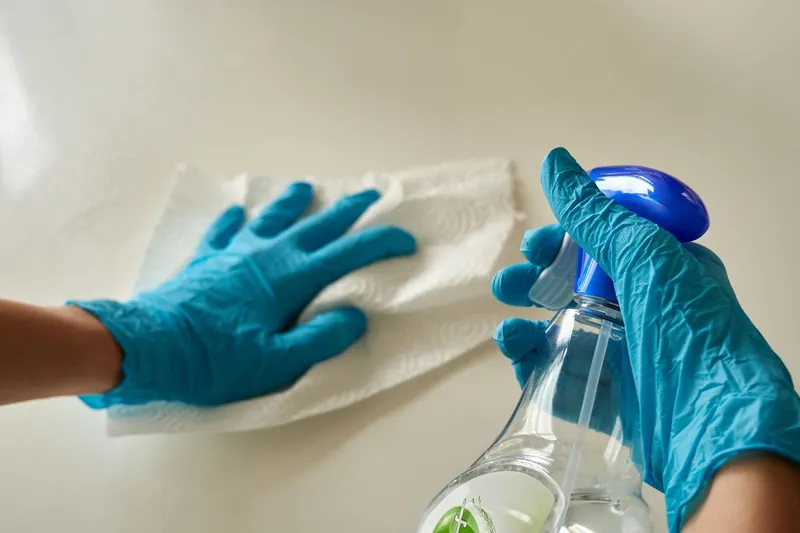
Blood cleanup on carpet, hard floors, walls and furniture with safe disposal.
See blood cleanup
Following a death, estate cleanout includes sorting possessions and removing them safely.
See estate cleanout after a deathYou cannot determine exposure type or amount from odor, but fluid and impacted porous materials may remain in the same area. Smell cannot determine if a space is safe. Prevent access by people or animals, leave the space undisturbed and have the source and nearby materials evaluated.
That depends on where the affected area is, whether it can be isolated and what equipment is needed. Do not enter the zone where cleanup is occurring. The property may need to remain vacant because of its condition or the odor treatment used. Comply with onsite instructions and every direction for running the treatment equipment.
Materials are removed when fluids soaked too deeply for complete cleaning and disinfection. Common examples include carpet, pad, mattresses, upholstery, unfinished wood, drywall, trim and sections of subfloor. Accessible surfaces that do not absorb fluid may remain after cleaning, including sealed tile, glass and metal in suitable condition.
When a room has fluid, residue or lasting odor from decomposition, a biohazard cleanup crew should evaluate it. Avoid disturbing residue, lifting the floor covering or relocating a contaminated mattress on your own. You could spread residue beyond the room or contact materials that must be packaged and discarded under controlled conditions.
Decomposition cleanup removes body fluids, residue and porous materials affected after a death. Once the odor source is removed, accessible surfaces that remain receive cleaning and disinfection before odor treatment. How far fluids spread determines whether cleanup involves furnishings, nearby belongings, carpet, padding, subfloor and drywall.
Published cost guides leave decomposition cleanup without a range of its own. Guides for unattended death cleanup show $1,500 to $5,000 when discovery is early, with far higher ranges after more time. How deeply fluids traveled, what requires removal, the rooms involved, odor needs and waste disposal all shape the final cost.
You can request respectful, discreet decomposition cleanup 24 hours a day, and crews use unmarked vehicles.